Español
 Italiano
 Polski


How to Choose Between Windows 10 Pro vs Windows 11 Pro
- 22 May, 2026
- Home
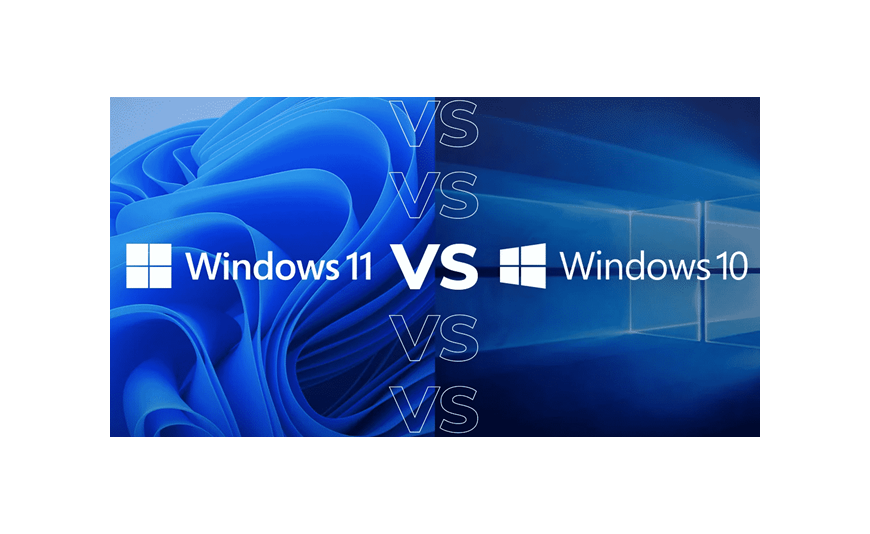
Many people still hesitate before upgrading their operating system. Not because newer versions look bad. Most users simply want something stable that works every day without random errors or compatibility headaches. The discussion around Windows 10 Professional and Windows 11 Professional keeps growing for exactly that reason.
Some users upgrade and enjoy the cleaner interface immediately. Others return to Windows 10 after a few days because older software suddenly behaves strangely. Small issues like that can affect daily work more than people expect.
This blog explains the real differences between both versions, which one fits different users better and what to know before buying a Windows 11 Pro key global activation license online.
Windows 10 Professional vs Windows 11 Professional
Both systems are designed for professional users. Each includes advanced security features, business tools, remote desktop support and encryption options. At first glance, they look similar. Daily usage tells a different story though.
Windows 10 Professional feels more traditional and lightweight. Many office users still prefer its familiar layout because it reduces training time and workflow interruptions. Older laptops also handle it more comfortably.
Windows 11 Professional focuses more on future-ready performance. Microsoft redesigned the interface, improved multitasking and strengthened built-in security. Modern computers benefit the most from these changes.
Microsoft also announced that Windows 10 support officially ends in October 2025. That detail alone is pushing many businesses toward Windows 11 now instead of later.
Why Some Users Still Prefer Windows 10 Professional
Older systems often perform more smoothly with Windows 10 Professional. Many businesses continue using it because their internal software was built years ago and still works perfectly there.
A small accounting company recently delayed upgrading after discovering its inventory software crashed repeatedly on Windows 11. Their team switched back within one week. Stability mattered more than visual improvements.
Another reason people stay with Windows 10 is comfort. Familiar menus save time during busy workdays. Nobody enjoys hunting through settings while trying to finish client work quickly.
Key reasons users keep Windows 10:
- Better support for older devices
- Familiar interface with less adjustment
- Stable performance for legacy applications
Where Windows 11 Professional Performs Better
Modern hardware changes the experience completely. Windows 11 Pro runs surprisingly fast on newer SSD-based systems. Applications open quicker, multitasking feels cleaner and system security improves noticeably.
Snap Layouts became one of the most useful additions. Managing multiple windows across large screens feels easier now. Tiny upgrade, honestly, but after a week it becomes hard to ignore.
Security improvements matter even more. Microsoft strengthened protection against firmware attacks, phishing attempts and suspicious applications. Businesses handling customer data benefit from these changes immediately.
Performance improvements are most visible on:
- newer Intel and AMD processors
- gaming systems
- multitasking setups
Gamers also gain access to features like Auto HDR and Direct Storage. Loading times improve slightly, especially in larger games.
Choosing the Right Version for Your Needs
The better option depends more on hardware and workflow than trends. A newer laptop purchased recently will usually run Windows 11 Professional without issues. Older desktop systems may fail hardware checks completely or perform poorly after installation.
People working with legacy business software should verify compatibility before upgrading. Random upgrade decisions often create unnecessary downtime later.
Security-focused users usually lean toward Windows 11 because future Microsoft updates will continue there much longer. Businesses thinking long-term often prefer avoiding another operating system migration later.
Buying a genuine Windows 11 Pro key global activation license also matters. Low-cost activation keys from unknown sellers sometimes fail after updates or become blocked entirely. Trusted software providers normally include proper activation support, installation guidance and permanent access.
Conclusion
Choosing between Windows 10 Professional and Windows 11 Professional is not really about picking the newest option unquestioningly. Hardware age, software compatibility and long-term support matter far more.
Windows 10 still works extremely well for older systems and familiar office environments. Windows 11 offers stronger security, smoother multitasking and better future support for modern users.
Careful buyers usually check compatibility first instead of rushing into upgrades. Reliable providers like Key-Soft help users avoid activation problems while making the transition smoother and safer.
FAQs
Is Windows 11 Professional better than Windows 10 Professional?
Windows 11 Professional offers newer security features and better multitasking tools. Windows 10 Professional remains a solid choice for older hardware and legacy software support.
Can I upgrade from Windows 10 Professional to Windows 11 Professional?
Yes, compatible systems can upgrade directly if the hardware meets Microsoft requirements.
Does Windows 11 Professional need stronger hardware?
Yes, Windows 11 Professional requires TPM 2.0 support, newer processors, and stricter hardware compatibility standards.
Is windows 11 pro key global activation safe?
A windows 11 pro key global activation is generally safe when purchased from trusted software sellers that provide genuine licenses and customer support.