Español
 Italiano
 Polski


BitLocker in Windows 11 Pro: Ensuring Data Security in Modern Times ✔️
- 03 Mar, 2026
- Home
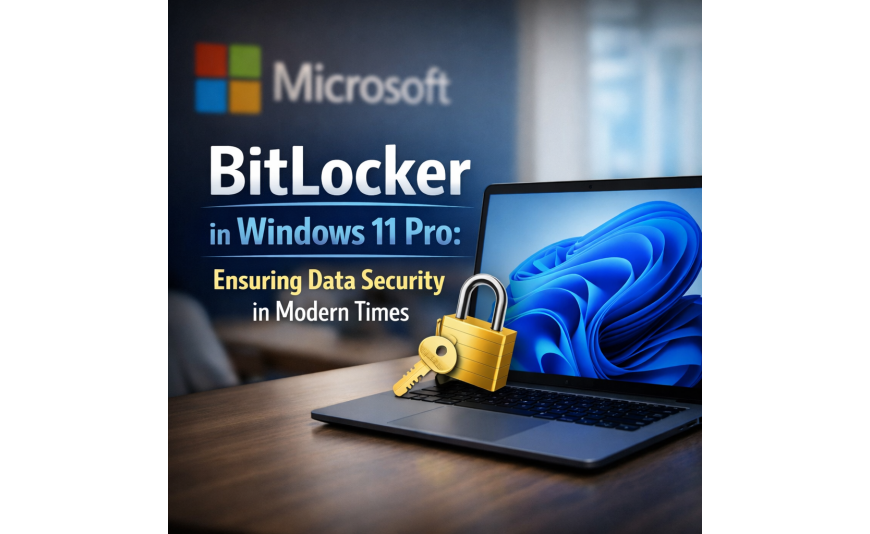
BitLocker in Windows 11 Pro: Ensuring Data Security in Modern Times
In today's interconnected world, the security of our digital assets is paramount. The rise of cyber threats and data breaches has made it more important than ever to protect sensitive information effectively. This need for security has led to the increasing adoption of advanced encryption technologies, with BitLocker being one of the most prominent tools available. As part of Windows 11 Pro, BitLocker offers robust encryption capabilities that help safeguard your data against unauthorized access.
Imagine working on a confidential project from your home office. You're handling sensitive client information and the last thing you want is for this data to fall into the wrong hands. This is a common scenario for many professionals today, and ensuring that such data is secure becomes a top priority. It is here that BitLocker steps in, providing peace of mind through its advanced encryption features. By encrypting the entire drive, BitLocker helps to ensure that even if your device is lost or stolen, the data remains inaccessible to unauthorized users.
However, the decision to use BitLocker is not just about enhancing security. It's also about understanding the differences between Windows versions and leveraging new features. While Windows 10 offered BitLocker to some extent, Windows 11 Pro enhances these capabilities, providing a more seamless and integrated user experience. For those considering the transition to Windows 11, understanding how BitLocker works and how to activate it can be crucial in making the most out of the operating system's security features.
Real-World Scenarios: How BitLocker Enhances Security
BitLocker in Windows 11 Pro provides crucial security enhancements that are particularly beneficial in various real-world scenarios. Consider a business traveler who frequently works from cafes or airports where public Wi-Fi is the norm. Using BitLocker ensures that even if their laptop is stolen while on the go, the sensitive corporate data stored on it remains protected. This scenario highlights how BitLocker is not just an added feature but a necessity for anyone handling sensitive information in potentially unsecured environments.
Another example involves remote workers who handle company data from home. With the rise of telecommuting and flexible work arrangements, securing home office setups has become critical. BitLocker's encryption capabilities offer these workers peace of mind, knowing that their data cannot be easily accessed if their device falls into the wrong hands. This level of security is essential in maintaining the integrity and confidentiality of professional data across diverse settings.
Common Errors and Solutions for Windows 11 24H2
Upgrading to Windows 11 24H2 is generally a smooth process, but like any major update, it comes with its own set of challenges. Knowing what to expect and how to address these issues can save time and frustration. ✔️
One of the typical errors users may encounter is a failed installation. This can often be resolved by ensuring your device's firmware and drivers are up to date before attempting the installation again.
Another common problem is software incompatibility. If certain applications aren't functioning properly post-update, it may be necessary to check for the latest version of the software or explore alternative software solutions compatible with Windows 11 24H2.
Should the system experience unexpected crashes, performing a comprehensive system diagnostic and checking for any hardware incompatibilities can help identify the underlying issues.
Ensuring Compatibility with Windows 11 24H2
Before upgrading, ensuring compatibility is crucial. This includes checking that all peripheral devices, such as printers and external drives, have the necessary drivers and support for Windows 11 24H2. Moreover, ensuring that essential applications used daily are fully compatible can prevent disruptions in workflow.
What to Do When Windows 11 24H2 Isn't Working
If the system isn't functioning as expected after upgrading, there are several steps you can take. First, ensure all recent updates have been applied, as Microsoft frequently releases patches to address known issues. If problems persist, engaging with support forums or utilizing Microsoft's official support channels may provide solutions.
Frequently Asked Questions (FAQ)
1. What should I do if my device doesn't meet the minimum requirements?
If your device doesn't meet the minimum requirements for Windows 11 24H2, consider upgrading hardware components if feasible, or continue using the previous version of Windows that suits your device's capabilities.
2. Where can I buy a legitimate activation key?
Legitimate activation keys for Windows 11 24H2 can be purchased from trusted online marketplaces or directly from Microsoft's official store. Ensure security by avoiding suspiciously low-priced offers.
3. How can I resolve driver compatibility issues after upgrading?
Updating drivers through the manufacturer's website or using Windows Update can resolve most compatibility issues. It may also help to uninstall and reinstall problematic drivers.
4. Is there a way to revert to the previous version if I encounter issues?
Yes, Windows provides an option to revert to the previous version within 10 days of upgrading. Navigate to the recovery settings to initiate this process.
5. Can I keep my files during the upgrade?
Yes, Windows 11 24H2 offers an option to keep personal files during the upgrade. However, it's advisable to back up important data to prevent any accidental loss.
6. What are the benefits of cloud integration with Windows 11 24H2?
The enhanced cloud integration allows for seamless access to files and resources across devices, improving productivity and collaboration. Services like Microsoft OneDrive are deeply integrated to facilitate this.
7. Are there any new security features in Windows 11 24H2?
Windows 11 24H2 includes advanced security features such as improved biometric authentication and enhanced malware protection, offering robust defense against modern threats.
Switching to a New Device with Windows 11 24H2
Transitioning to a new device equipped with Windows 11 24H2 can be a seamless experience with a few preparatory steps. Start by ensuring that all your essential data is backed up on a cloud service like OneDrive or an external storage device. This ensures that your documents, photos, and settings are easily accessible on your new PC.
Once your data is secured, use the Windows transfer tool to move your files and settings to the new device. This tool simplifies the process, allowing you to pick up right where you left off on your previous computer. Additionally, ensure that your new device meets the system requirements for Windows 11 24H2 to avoid compatibility issues. Setting up a new machine is a great opportunity to review and update your software, ensuring that all applications are optimized for the latest Windows version.
Reinstalling Windows 11 24H2
If you encounter persistent issues or just wish to start fresh, reinstalling Windows 11 24H2 might be the solution. Begin by backing up your important files to prevent any data loss. You can then use the Windows Installation Media tool to create a bootable USB drive or DVD. This tool guides you through the reinstallation process, ensuring that you have the latest version of Windows 11 24H2.
During reinstallation, you will be prompted to choose between keeping your personal files or performing a clean install. If troubleshooting issues, a clean install can resolve underlying problems. Remember to have your Windows activation key ready for the reinstallation process. After the reinstallation, visit the Windows Update settings to apply the latest patches and drivers. ✔️
Enhancing Security with Windows 11 24H2
Windows 11 24H2 brings advanced security features designed to protect against modern threats. Users are encouraged to activate Windows Hello for biometric authentication, providing an added layer of security beyond passwords. Regularly updating your system and software is crucial, as it helps close vulnerabilities that could be exploited by malware.
Incorporate good cybersecurity practices by enabling firewall protection and using reliable antivirus software. Windows 11 24H2 also allows users to manage security settings through the Security and Updates section, ensuring you can customize protection levels according to your needs. Be proactive in cybersecurity by familiarizing yourself with potential threats and staying informed about security updates from Microsoft.
Frequently Asked Questions (FAQ)
How do I transfer my files to a new Windows 11 24H2 device?
You can utilize cloud services like OneDrive or external drives to back up your data. The Windows transfer tool can then assist in migrating your files and settings seamlessly to your new device.
What should I do if I need to reinstall Windows 11 24H2?
Begin by backing up all crucial data. Use the Windows Installation Media tool to create installation media, and follow the prompts to reinstall Windows. Ensure you have your activation key handy for smooth reactivation.
How can I enhance the security of my Windows 11 24H2 system?
Activate Windows Hello for biometric security, regularly update your software, and use a robust antivirus program. Customize your security settings through the Security and Updates section for optimal protection.
Can I revert to the previous Windows version after installing Windows 11 24H2?
Yes, within 10 days of installation, you have the option to roll back to the previous version through the recovery settings. This ensures that if the new update doesn't meet your needs, you can revert without losing data.
Installation and Activation of Windows 11 25H2
Installing Windows 11 25H2 might seem daunting, but with the right steps, it becomes a straightforward process. Before you begin, ensure that your system meets the minimum requirements for the update. This will prevent potential issues during installation.
- First, back up your important data. While it's unlikely that an update will cause data loss, it's always better to be safe.
- Next, navigate to the Windows Update section in your settings. Here, you should see the option to download and install Windows 11 25H2. Follow the on-screen instructions.
- Once downloaded, the system will restart several times to complete the installation. Be patient, as this process can take a while depending on your hardware.
After installation, you might need to activate your copy of Windows. If you purchased a digital license, simply connecting to the internet should activate it automatically. For those using a product key, enter it manually in the Activation section of your settings.
Common Problems with Windows 11 25H2
Despite the benefits of updating, some users encounter issues. A common problem is software compatibility, where certain applications might not run as smoothly as before. If you face this, check for updates from the software provider, as they often release patches to address compatibility issues.
Another frequent issue is related to network connectivity. If you find your internet connection drops post-update, resetting your network settings can often solve the problem.
Key Changes in Windows 11 25H2
Windows 11 25H2 brings several notable changes that enhance user experience and system performance. Firstly, the start menu has been redesigned for better accessibility. The introduction of new widgets offers personalized information at a glance, improving productivity.
The update also improves security with enhanced encryption protocols, providing users with peace of mind. Additionally, there's a focus on energy efficiency, which is particularly beneficial for laptop users seeking longer battery life.
Checklist for a Successful Update
- Ensure your device meets the minimum system requirements.
- Back up all important data before starting the update.
- Check for updated drivers on manufacturer websites.
- Verify you have adequate storage space for the update.
- Close unnecessary applications during the installation.
- Ensure a stable internet connection throughout the process.
- Keep your Windows activation key handy in case manual entry is needed.
- Update antivirus software to the latest version.
- Review settings post-update to confirm preferred configurations.
- Familiarize yourself with new features in Windows 11 25H2.
- Monitor device performance and report any persisting issues.
- Consider where to buy Microsoft-certified support if problems persist.
- Check for additional updates after installation for optimal performance.
- Enjoy the new features and enhanced user experience.
Common Errors and Troubleshooting
Although updating to Windows 11 25H2 generally proceeds smoothly, some users may encounter errors. If the update fails to install, consider checking your system storage capacity. Lack of space is a frequent culprit. Free up disk space by deleting unnecessary files or programs and attempt the update again.
Should your device display error messages during installation, searching for the error code on the Microsoft support site can offer targeted solutions. For persistent issues, attempt a system restart. Often, rebooting can clear minor glitches and allow the update to proceed.
Compatibility Concerns
Compatibility is crucial when transitioning to a new operating system. Windows 11 25H2 has introduced new features and enhancements, but these can sometimes lead to unforeseen compatibility challenges with older software. Prior to updating, it's advisable to consult the compatibility list provided by Microsoft to ensure smooth operation post-update.
Hardware compatibility is also essential. Ensure your peripherals, such as printers and external drives, have updated drivers. Visit the manufacturer's website to download the latest versions, which can prevent functionality loss after upgrading.
Często zadawane pytania FAQ
1. How can I ensure my device is compatible with Windows 11 25H2?
Checking device compatibility is a key step before upgrading. Microsoft's PC Health Check tool can quickly determine if your hardware meets the necessary requirements. Ensure all hardware components, like the processor and RAM, are supported.
2. What if my applications don't work properly after the update?
If certain applications fail to function as expected, verify if updates are available from the software provider. They may have released patches to improve compatibility with Windows 11 25H2. Alternatively, consider reaching out to the application support team for assistance.
3. Why is my internet connection unstable post-update?
Network issues can arise, but a simple reset of your network settings often resolves the problem. Access your device's network settings, perform a reset, and reconnect to your network to stabilize the connection.
4. Is it possible to revert to a previous version of Windows?
Yes, if you encounter significant issues, Windows allows you to roll back to a prior version within 10 days of the update. Navigate to the Recovery section under Update & Security in your settings to initiate this process.
5. Where can I find support if I encounter problems?
Microsoft offers extensive support through their official website, including forums and a dedicated support line. For further assistance, consider reaching out to Microsoft-certified support services where you can buy additional help if needed. A low-cost solution can provide peace of mind in navigating post-update challenges.
6. How can I activate Windows 11 25H2?
Activation is straightforward. If you have a digital license, connecting to the internet typically activates Windows automatically. For those with a product key, manually enter it in the Activation section found in your system settings. Ensure you have your key or account information readily available.
Migrating to a New Device with Windows 11 25H2
Switching to a new device can be an exciting step, especially with Windows 11 25H2 ready to enhance your computing experience. To ensure a smooth migration, start by backing up your data from the old device. Use cloud services or an external drive to secure important files and documents. Once your new device is set up, you can easily transfer your data and settings.
Additionally, ensure that your new device is pre-installed with Windows 11 25H2, or download and install the update if necessary. Sign into your Microsoft account on the new device to synchronize your settings and preferences. If you purchased a new device, it usually comes with a digital license, meaning activation might occur automatically when you connect to the internet.
Reinstalling Windows 11 25H2
Reinstalling Windows 11 25H2 might be necessary if you encounter persistent issues or decide to start fresh. Begin by backing up essential data to prevent loss during the process. You can reinstall via a USB drive with the Windows 11 installation media. Insert the drive, restart the device, and follow the on-screen instructions to complete the installation.
After reinstalling, ensure all drivers are updated, and restore your files from the backup. Reinstall your applications and reconfigure your settings to match your preferences. A clean install can often resolve performance issues and gives you a fresh start with the latest Windows features.
Security Considerations with Windows 11 25H2
Security is paramount when using any operating system, and Windows 11 25H2 is no exception. The update brings advanced security features that protect your data and privacy. Ensure that your device is using the latest security patches by regularly checking for updates in the Windows Update settings.
Enable features such as Windows Hello for biometric authentication and use a strong, unique password for your Microsoft account. Consider additional protective measures like encrypting sensitive data and utilizing reputable antivirus software. Staying informed about potential vulnerabilities and practicing safe browsing habits are key to maintaining your device's security.
Additional Frequently Asked Questions (FAQ)
7. Can I transfer my Windows license to a new device?
Yes, it is possible to transfer your Windows 11 25H2 license to a new device if you have a retail version. First, deactivate the license on the old device, then activate it on the new one using your product key. If you encounter issues, Microsoft's support can guide you through the process.
8. What if Windows 11 25H2 runs slower than expected?
Performance issues can sometimes arise after an update. Start by checking for additional updates that could improve stability. Ensure that unnecessary background applications are closed and consider upgrading your hardware if needed. Using tools like Disk Cleanup and defragmentation can also enhance performance.
9. How can I ensure my data is secure post-update?
After updating, verify that your security settings are configured appropriately. Regularly update your antivirus software and perform routine scans. Consider using a Virtual Private Network (VPN) for enhanced online privacy. For sensitive files, encryption tools provide an extra layer of protection against unauthorized access.
10. Where can I buy Microsoft-certified support if needed?
If you require additional assistance, Microsoft-certified support services can be purchased online. These services offer professional help at a reasonable price, ensuring you receive the guidance you need to overcome any challenges with Windows 11 25H2.
Installing and Activating Windows 11: A Step-by-Step Guide
To begin your journey with Windows 11, you'll first need to ensure your current system is compatible. This involves checking for critical requirements like TPM 2.0 and Secure Boot. Once confirmed, you can proceed with the installation process.
- Download the Windows 11 installation media from Microsoft's official website. Make sure you select the correct version for your system.
- Create a bootable USB drive using tools like Rufus or the Windows Media Creation Tool. This will serve as your installation medium.
- Restart your computer, and boot from the USB drive by selecting it from the boot menu. This is usually accessible by pressing a specific key like F12 or ESC during the startup.
- Follow the on-screen instructions to begin the installation process. Choose your preferred language, time, and keyboard settings.
- Enter your Windows 11 product key when prompted. If you don't have a key yet, you can proceed with the installation and activate later.
- Once Windows 11 is installed, connect to the internet and go to Settings > Update & Security > Activation to activate your copy. You can use a digital license if your device qualifies.
Common Issues and Troubleshooting Tips
Despite following the steps above, you might encounter some common issues during the installation or activation of Windows 11. Here are some typical problems and their solutions:
- If you receive a TPM 2.0 error, check your BIOS settings to ensure TPM is enabled. Refer to your motherboard's manual for guidance.
- Secure Boot issues can often be resolved by enabling the feature in BIOS. This may require setting a supervisor password to access the feature.
- Activation issues may arise if you attempt to use an old product key. Ensure that you have a valid Windows 11 key or digital license.
Changes and Improvements Over Previous Versions
Windows 11 brings a host of changes compared to its predecessors, making it a significant upgrade for many users. Here are some of the notable improvements:
- The Start Menu has been revamped, now centered, offering a streamlined look without live tiles.
- Virtual Desktops are more customizable, allowing users to create separate desktops for work, gaming, or personal tasks.
- Snap Layouts and Snap Groups improve multitasking by allowing users to easily organize open windows on the screen.
- Direct integration with Microsoft Teams facilitates seamless communication, directly from the taskbar.
Checklist for a Smooth Windows 11 Upgrade
- Check if your system meets Windows 11 requirements (TPM 2.0, Secure Boot).
- Ensure you have the latest BIOS update for compatibility.
- Create a full backup of your current system, just in case.
- Download the official Windows 11 installation media.
- Create a bootable USB drive for installation.
- Disable any third-party antivirus programs temporarily to avoid conflicts.
- Ensure a stable internet connection for activation and updates.
- Have your Windows 11 product key ready if necessary.
- Review the list of apps and drivers for compatibility with Windows 11.
- Prepare yourself for the new interface and features — explore tutorials if needed.
- Consider where to buy any additional licenses cost-effectively if upgrading multiple systems.
- Make sure you know how to revert to a previous version if needed.
By following the steps and tips outlined above, you can ensure a successful transition to Windows 11. Whether you're upgrading for the new features or better performance, understanding these key aspects will help make the process seamless. Remember, when looking to buy or activate your Windows 11, exploring options where you can get it at a low price is always a smart move.✔️
Common Errors and What to Check
Updating to a new operating system like Windows 11 can bring about several challenges. Some users might face errors that prevent a smooth upgrade. One common issue is receiving an error message related to system requirements. It's crucial to verify that your hardware supports features such as TPM 2.0 and Secure Boot. Double-check these settings in your BIOS and ensure they are enabled.
Steps to Take When Things Don't Work
If you encounter problems during installation or activation, don't panic. Start by checking your internet connection, as a stable connection is vital for downloading updates and verifying your Windows 11 license. If issues persist, consider using Microsoft's support tools available on their website, which can diagnose and help resolve common problems.
Compatibility Concerns
Windows 11 introduces new hardware requirements that might render some older systems incompatible. Before attempting an upgrade, review the official list of supported processors and ensure your device meets the specifications. Checking for driver updates for your hardware components can also help mitigate compatibility issues.
Często zadawane pytania FAQ
1. Does my computer need to meet specific requirements for Windows 11?
Your computer must meet specific requirements to install Windows 11, including a compatible 64-bit processor, 4GB of RAM, 64GB of storage, TPM 2.0, and Secure Boot capability. It's advisable to run Microsoft's PC Health Check tool to confirm compatibility.
2. How can I activate Windows 11 after installation?
After installing Windows 11, you can activate it by going to Settings > Update & Security > Activation. Enter your product key if prompted. If you have a digital license, activation should occur automatically when you connect to the internet.
3. What should I do if I can't find my Windows 11 product key?
If you purchased Windows 11 online, check your email for a confirmation that might contain your product key. You can also retrieve it from your Microsoft account if you linked your purchase there. Alternatively, tools like the Command Prompt can display the product key if it was previously activated on your system.✔️
4. What steps can I take if Windows 11 installation fails?
Should the installation process fail, begin by rebooting your system and restarting the installation. Ensure that your installation media is not corrupted by recreating it on another USB drive. Also, disconnect any unnecessary peripherals to avoid driver conflicts.
5. How do I ensure my apps and drivers are compatible with Windows 11?
Before upgrading to Windows 11, visit the manufacturers' websites for your hardware and software to check for updates. Many developers provide updated drivers and patches in anticipation of new OS releases. Performing these updates beforehand can save time and prevent issues post-installation.
Transferring Windows 11 to a New Device
Upgrading to a new computer can be an exciting endeavor, and transferring Windows 11 to this new device is straightforward if you follow the right steps. First, ensure your new device meets the Windows 11 hardware requirements, such as TPM 2.0 and Secure Boot, to avoid any compatibility issues. Next, you will need to deactivate Windows 11 on your old device if you used a retail license and plan to use it on the new computer. By accessing Settings > Update & Security > Activation, you can view your current activation status and
proceed with deactivation. Once done, install Windows 11 on your new device using a bootable USB drive created earlier. Once installed, activate your copy by entering your product key or logging into your Microsoft account to retrieve the digital license.
Reinstalling Windows 11
There might come a time when you need to reinstall Windows 11, whether due to system issues or simply wanting a fresh start. Begin by backing up all your important data, as a reinstallation will erase existing data. You can use cloud services or external storage for this purpose. Once your data is safe, create a bootable USB with the Windows 11 installation media. Boot from this USB, and follow the on-screen instructions to format your hard drive and reinstall the operating system. During the setup process, you can choose custom installation options to partition your drives as needed. After reinstalling, remember to restore your data and check for updates to ensure your system is secure and up-to-date.
Security Tips for Windows 11
With any operating system, maintaining security is paramount. Windows 11 comes with built-in security features such as Windows Defender, which provides real-time protection against malware and viruses. Regularly updating your system is crucial, as Microsoft releases frequent patches to address vulnerabilities. Additionally, enabling BitLocker can encrypt your drive, adding an extra layer of security to your data. When browsing the internet, using a secure browser and enabling features like SmartScreen can help ward off phishing attacks. Lastly, consider using a VPN for secure internet access, especially when connecting to public Wi-Fi networks.
Frequently Asked Questions (FAQ)
6. How can I ensure my Windows 11 license transfers to a new device?
If you have a retail copy of Windows 11, you can transfer the license to a new device by first deactivating it on the current one. Use your Microsoft account to log in and activate the license on the new device. Remember, OEM licenses are tied to the original hardware and cannot be transferred.
7. What if I encounter errors during Windows 11 reinstallation?
Errors during reinstallation can often be resolved by checking the integrity of your installation media. Recreate the bootable USB if needed. Ensure all hardware connections, such as RAM and hard drive, are secure. If problems persist, consider using Microsoft’s troubleshooting tools or contacting support for assistance.
8. What are some best practices for keeping Windows 11 secure?
To keep Windows 11 secure, always install the latest updates and patches. Use strong passwords and enable two-factor authentication where possible. Regularly review your security settings in the Windows Security app and consider additional security software if needed.✔️
Installation and Activation of Windows 10/11: OEM vs Retail
When it comes to installing Windows 10 or 11, understanding the difference between OEM and Retail licenses can make the process smoother. The OEM version is typically tied to a single device, meaning once it's activated on a computer, it cannot be transferred to another. In contrast, a Retail license offers flexibility, allowing users to transfer the license to a new PC if they upgrade their hardware. This flexibility is one of the main reasons people opt for Retail versions despite the higher price tag compared to OEM licenses. However, for those who plan to keep their device for a longer period, an OEM license remains an economical choice.
To activate your Windows 10/11, follow these simple steps:
- Ensure you are connected to the Internet for a seamless activation process.
- Navigate to the Start menu and select 'Settings'.
- Click on 'Update & Security', then select 'Activation' from the side menu.
- Enter your product key or log in with a Microsoft account if you have a digital license.
- Follow the on-screen instructions to complete the activation process.
Common Issues and Solutions
Users often encounter issues during the activation process. One common problem is the 'Invalid Product Key' error. This typically occurs if the key has already been used or entered incorrectly. Double-check your key and ensure you are entering it correctly. Another frequent issue is the 'Activation Server Unavailable' message, which usually resolves on its own after a short period. Ensure you have a stable internet connection and try the activation again later.
Changes from Previous Versions
Windows 11 includes several changes compared to Windows 10, enhancing user experience and security. The most noticeable change is the redesigned Start menu and Taskbar, which now appear in the center of the screen. Additionally, Windows 11 offers improved support for virtual desktops and integrates Microsoft Teams directly into the system for more seamless communication. These updates, combined with enhanced security features like TPM 2.0 and Secure Boot, make Windows 11 a compelling upgrade for users looking to stay current with the latest technology trends.
Checklist for Purchasing and Activating Windows 10/11
- Determine whether an OEM or Retail version suits your needs.
- Check if your current hardware meets the requirements for Windows 11.
- Search online for trusted sellers to buy your license key cheap.
- Avoid unverified sources to minimize the risk of purchasing invalid keys.
- Keep your internet connection stable during the activation process.
- Follow the steps outlined above to enter your product key correctly.
- Ensure your system is updated to avoid compatibility issues.
- Consider reaching out to Microsoft Support if you encounter persistent activation issues.
- Explore the new features of Windows 11 to make the most of your upgrade.
- Remember that a Retail license allows you to transfer your activation if needed.
- Verify your purchase and activation through your Microsoft account.
Common Errors and What to Check
When attempting to activate Windows 10 or 11, users may encounter various errors which can hinder the installation process. One such error is the 'Product Key Blocked' message. This usually means that the key has been reported as compromised or misused. It's important to purchase your key from a reputable source to avoid this issue.
Another aspect to consider before activation is checking the system compatibility. Ensure that your computer meets the minimum system requirements for Windows 11, such as having TPM 2.0 and Secure Boot enabled. These elements are crucial for a successful installation and activation.
What to Do When Activation Fails
In the event that activation fails despite following all the steps, there are a few troubleshooting options. First, verify that your internet connection is stable, as connectivity issues can disrupt the activation process. If you're still facing issues, attempt to restart your computer and try activating again. Additionally, contacting Microsoft Support can provide guidance tailored to your specific problem. Their team can offer solutions that might not be immediately obvious.
Compatibility Considerations
Before upgrading to Windows 11, it's essential to confirm that your hardware is compatible with the new operating system. Not only should you verify the technical specifications, but also consider the software you frequently use. Some older applications may not work seamlessly with Windows 11, which could impact your workflow. It's also advisable to back up important data to prevent any loss during the upgrade process.