Español
 Italiano
 Polski


Mastering Home Budgeting in Excel: A Step-by-Step Guide to Financial Freedom
- 31 Jul, 2026
- Home
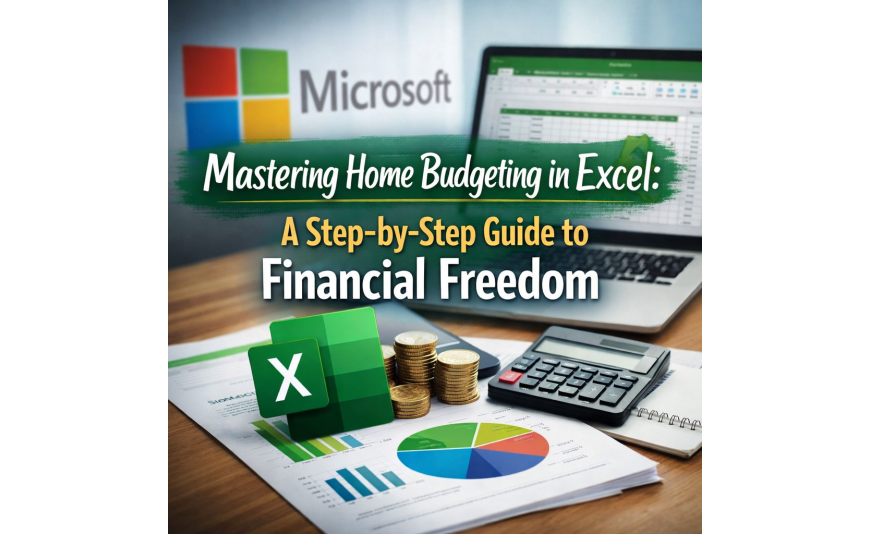
Mastering Home Budgeting in Excel: A Step-by-Step Guide to Financial Freedom
Managing a home budget can be a daunting task for many. With the myriad of expenses and income sources, keeping track of every penny might feel overwhelming. Yet, effective financial management is key to ensuring a stable and prosperous household. In today's fast-paced world, many individuals are turning towards digital tools to streamline their budgeting processes. One such tool that has gained popularity is Excel, a versatile platform that can transform complex financial data into comprehensible insights.
The need for a reliable budgeting method becomes even more critical when unexpected expenses arise. Perhaps you've experienced the stress of car repairs or medical bills that weren't part of your planned expenditures. These situations highlight the importance of having a well-organized budget that can accommodate sudden financial shifts without causing panic. As the saying goes, "failing to plan is planning to fail," and this is especially true when it comes to personal finances.
Imagine being able to create your home budget in just 30 minutes, using a tool that you likely already have installed on your computer. With Excel, this dream can become a reality. This powerful software allows you to build a customized budgeting spreadsheet tailored to your unique financial situation. Whether you're grappling with student loans, saving for a family vacation, or simply trying to make ends meet, Excel can provide the structure you need to take control of your financial future.
Why Choose Excel for Your Home Budget?
Excel is a versatile tool that offers numerous benefits for budgeting. Unlike generic budgeting apps, Excel provides a fully customizable platform where you can input exact figures and create specific categories that match your spending habits. This level of personalization ensures that your budget reflects your lifestyle and priorities, making it easier to stick to your financial goals. Moreover, Excel’s extensive formula capabilities allow you to automate calculations, reducing the risk of human error and saving you time.
In addition to its customizable nature, Excel is widely accessible and often pre-installed on many computers, making it a cost-effective choice for those looking to manage their finances without incurring additional expenses. The learning curve for Excel can be steep, but the investment in time will pay off substantially. With countless online tutorials and resources available, you can quickly become proficient in using Excel for budgeting purposes. This ensures not only a smooth budgeting experience but also empowers you to make informed financial decisions.
Getting Started: Setting Up Your Budget Sheet
Starting your Excel home budget involves a few essential steps. First, define your income sources and categorize all your expenses. This provides a clear picture of your financial landscape and highlights areas where you can potentially cut costs. Once you have this information laid out, you can begin to input these figures into Excel, creating a base template for your budget sheet. This step is crucial as it forms the foundation upon which you can build a more detailed and comprehensive budget.
For those wondering where to Buy the latest version of Excel, or how to access it if you’re using an older version, there are numerous options available. Many providers offer affordable subscriptions that include Excel, ensuring you have the most up-to-date tools at your disposal. Additionally, consider checking out online platforms for any discounts or deals that might offer Excel at a low cost, saving you money while enhancing your budgeting capabilities.
Advanced Features: Leveraging Excel’s Capabilities
Once you've set up your basic budget, it's time to explore some of Excel's more advanced features. Functions such as SUMIF and VLOOKUP can help you analyze spending trends and make data-driven decisions about your finances. By using these functions, you can quickly identify categories where you tend to overspend and adjust your budget accordingly. This proactive approach ensures that you remain on track to meet your financial goals, even as circumstances change.
Another powerful feature of Excel is its graphing capabilities. Visual representations of your budget can provide insights that are not always apparent from numbers alone. By creating charts and graphs, you can easily track your progress, understand spending patterns, and make faster adjustments as needed. These visual tools are invaluable for those who prefer a more graphical approach to data analysis.
Ensuring Success: Tips for Maintaining Your Budget
Creating a budget is only the first step; maintaining it requires discipline and commitment. Regularly updating your Excel sheet with new income and expenses ensures that your budget remains accurate and relevant. Set aside time each week to review your finances, making adjustments as necessary. This habit not only keeps your budget up-to-date but also reinforces your financial goals, keeping them at the forefront of your mind.
For many, the challenge lies in sticking to the budget over time. To build consistency, consider implementing small rewards for meeting financial milestones. This could be as simple as treating yourself to a favorite activity when you successfully reduce your monthly spending by a certain amount. These incentives can motivate you to remain committed to your budgeting journey, ultimately leading you toward financial stability and peace of mind.
Conclusion: Achieving Financial Stability with Excel
In conclusion, using Excel for home budgeting is an effective, affordable, and customizable solution for managing personal finances. With its extensive features and accessibility, Excel empowers individuals to take control of their financial future, providing clarity and insight into spending habits. By dedicating just 30 minutes to setting up your budget, you can pave the way for long-term financial success.
Embrace the power of Excel and transform your approach to home budgeting today. Explore the numerous resources available online to enhance your skills, and remember that consistency is key to achieving your financial objectives. With a well-structured budget, financial freedom is within your reach ✔️.
Overcoming Common Budgeting Challenges
For many individuals, the initial hurdle in home budgeting is the fear of complexity. Excel, despite its powerful features, can seem intimidating at first glance. However, the key to overcoming this challenge lies in understanding that Excel does not require you to be a mathematician. Start with simple budgeting templates available online that guide you step-by-step. These templates are often free and can be customized to fit your needs, helping you ease into the process without feeling overwhelmed.
Another common concern is staying motivated to maintain the budget over time. It’s easy to start with enthusiasm but harder to keep that momentum going. To combat this, set realistic and achievable financial goals. Break down your larger financial aims into smaller, actionable steps. This approach not only makes budgeting more manageable but also allows you to celebrate small victories along the way, keeping motivation levels high. Remember, consistency is more important than perfection in the world of personal finance.
Adapting Your Budget to Life Changes
Life is unpredictable, and your budget should be flexible enough to accommodate changes. Whether you receive a sudden salary increase or face unexpected expenses, your Excel budget can be adjusted to reflect these changes accurately. By regularly updating your financial information, you can ensure that your budget remains relevant to your current situation. This adaptability is crucial for staying on top of your finances and avoiding unnecessary stress.
When significant life events occur, such as having a baby or buying a home, your financial priorities might shift. Excel’s flexibility allows you to recalibrate your budget to accommodate new responsibilities and goals. For instance, you might need to allocate more funds towards childcare or mortgage payments. Excel makes it easy to create new categories or adjust existing ones, ensuring that your budget remains a useful tool for managing your changing financial landscape.
Addressing User Concerns about Cost and Accessibility
A frequently voiced concern about using Excel for budgeting is the cost of obtaining the software. However, Excel is included in many Microsoft Office packages, which are often available at discounted rates for students and professionals. Furthermore, Microsoft offers various subscription plans that provide access to Excel at a low cost, ensuring that you have the tools you need without breaking the bank. Online platforms often feature promotions and deals, making it easier to buy Excel at a reasonable price.
Even if you're using an older version of Excel, rest assured that the core budgeting functions remain effective. Excel’s enduring popularity means that there are numerous online resources and tutorials available to help you learn how to use it efficiently. Many of these guides are free and can walk you through the process of setting up and maintaining your budget, proving that a niska cena does not equate to a lack of functionality or support.
The Importance of Data Security in Budgeting
In an age where data privacy is a top concern, many users worry about the security of their financial information. Excel provides robust options for securing your data, such as password protection for individual files and sheets. This ensures that your sensitive information remains protected, giving you peace of mind as you manage your budget. It's important to regularly update your passwords and employ other security measures to keep your financial data safe.
Additionally, Excel’s offline capabilities offer an extra layer of security. Unlike cloud-based budgeting apps, Excel allows you to save your files locally, reducing the risk of unauthorized access through the internet. This feature is especially valuable for those who are cautious about storing their financial information online. By taking advantage of these security features, you can confidently manage your home budget without the fear of data breaches.
Installation and Activation
To start using the "Budget in Excel – How to Create in 30 Minutes" guide effectively, you'll need to ensure you have Microsoft Excel installed on your computer. If you haven't installed it yet, it can be easily obtained via the official Microsoft website. Once Excel is ready, follow these steps for activation:
1. Open the Excel file provided upon purchase.
2. If prompted, enable "Editing" mode to start interacting with the template.
3. Save a personal copy to ensure your changes are preserved and can be revisited.
4. Begin by filling in the initial data required for personal budgeting, such as monthly income and expenses.
Common Issues and Solutions
While working with the Excel budgeting template, you may encounter some common issues. Here are solutions to help you troubleshoot:
If you see a "Read-Only" notification, ensure that you have permission to edit the file. This might require checking the file properties or contacting the support team.
If formulas aren't calculating correctly, make sure that all cells are formatted correctly as numbers or currency. You can adjust these settings under the "Format Cells" option in Excel.
For any compatibility issues, ensure that your version of Excel supports all necessary functions and that there are no software updates pending.
Updates from Previous Versions
The latest version of the "Budget in Excel – How to Create in 30 Minutes" guide introduces several improvements over previous editions:
- Enhanced user interface for easier navigation and data entry.
- New visual charts for a clearer overview of your financial situation.
- Additional tips on how to optimize your budget and save money.
- Improved error handling to avoid common mistakes during budget setup.
Checklist for Successful Budgeting
- Ensure Microsoft Excel is installed and updated.
- Secure and activate your copy of the budgeting template.
- Input accurate financial data, starting with total income.
- List all monthly expenses across different categories.
- Regularly update income and expenses for accuracy.
- Review and adjust the budget to meet financial goals.
- Utilize charts and graphs for a visual representation.
- Consider accessing community support or forums for advice.
- Establish a routine for monthly financial reviews.
- Explore additional resources for financial education.
- Learn where to buy additional tools that complement your budgeting strategy.
- Consider cost-effective alternatives to manage expenses easily.
- Stay informed about where to buy the latest version for the most features.
- Keep an eye on places to buy the template at a lower price.